
When you embark on the journey of establishing an online presence, one of the first decisions you face is selecting the right server type for your needs. Servers are essentially powerful computers that store, process, and deliver data to users over the internet. They come in various forms, each designed to cater to different requirements and workloads.
Understanding these basics is crucial for making informed decisions that align with your goals. At the core, there are three primary types of servers: shared, virtual private servers (VPS), and dedicated servers. Shared servers host multiple websites on a single physical server, making them a cost-effective option for beginners or small businesses.
VPS servers, on the other hand, provide a middle ground by offering dedicated resources within a shared environment, allowing for greater control and performance. Finally, dedicated servers are entirely devoted to a single user or organization, providing maximum power and customization options. Grasping these distinctions will help you navigate the complexities of web hosting more effectively.
Key Takeaways
- Different server types, such as shared, VPS, and dedicated, have varying levels of performance and resource allocation.
- The choice of server type can significantly impact website security and loading speed.
- Each server type has its own pros and cons, such as cost, scalability, and flexibility.
- Server types play a crucial role in resource allocation and management for hosting.
- Choosing the right server type is essential for meeting specific hosting needs and ensuring future scalability.
The Impact of Server Types on Hosting Performance
The type of server you choose can significantly influence your website’s performance. Performance encompasses various factors, including speed, uptime, and the ability to handle traffic spikes. For instance, if you opt for a shared server, you may experience slower loading times during peak hours due to resource sharing with other websites.
This can lead to frustrating experiences for your visitors and potentially harm your search engine rankings. Conversely, VPS and dedicated servers offer enhanced performance capabilities. With a VPS, you benefit from allocated resources that ensure your website runs smoothly even during high traffic periods.
Dedicated servers take this a step further by providing exclusive access to all server resources, which is ideal for large enterprises or websites with substantial traffic demands. By understanding how server types impact performance, you can make choices that enhance user experience and support your business objectives.
Exploring the Differences Between Shared, VPS, and Dedicated Servers
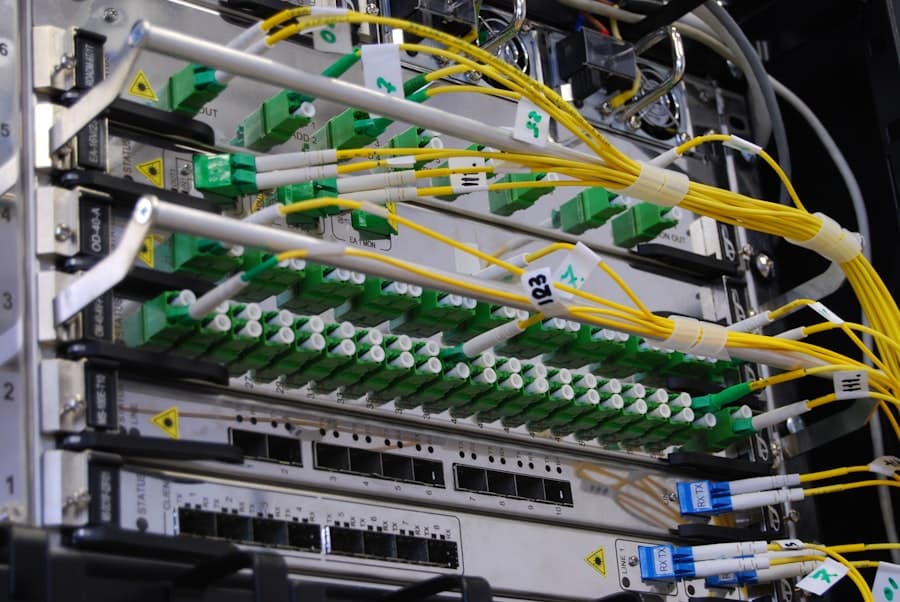
As you delve deeper into the world of web hosting, it’s essential to explore the nuances between shared, VPS, and dedicated servers. Shared hosting is often the go-to choice for individuals or small businesses just starting out. It offers an affordable entry point but comes with limitations in terms of performance and customization.
You share server resources with other users, which can lead to slower speeds and potential downtime if another site on the server experiences issues. VPS hosting provides a more robust solution by partitioning a physical server into multiple virtual servers. This means you have dedicated resources such as CPU and RAM, which translates to better performance and stability.
While VPS hosting is more expensive than shared hosting, it offers greater flexibility and control over your environment. On the other hand, dedicated servers are the pinnacle of hosting solutions. They provide complete control over the server environment, allowing for extensive customization and optimal performance.
However, this level of service comes at a higher price point and is typically suited for larger businesses or high-traffic websites.
The Pros and Cons of Each Server Type
Every server type comes with its own set of advantages and disadvantages that you should carefully consider before making a decision. Shared hosting is often praised for its affordability and ease of use, making it an attractive option for beginners. However, its limitations in terms of performance and security can be significant drawbacks as your website grows.
VPS hosting strikes a balance between cost and performance. It offers more resources and control than shared hosting while remaining relatively affordable. However, managing a VPS requires some technical knowledge, which may be a barrier for those without IT experience.
Dedicated servers provide unparalleled performance and customization options but come with a hefty price tag and require ongoing maintenance and management. By weighing these pros and cons against your specific needs and budget, you can make an informed choice that aligns with your long-term goals.
How Server Types Affect Website Security
Website security is a paramount concern in today’s digital landscape, and the type of server you choose plays a crucial role in safeguarding your data. Shared hosting environments are often more vulnerable to security breaches because multiple websites share the same resources. If one site on a shared server is compromised, it can potentially expose others to risks as well.
In contrast, VPS and dedicated servers offer enhanced security features. With VPS hosting, you have more control over your environment, allowing you to implement custom security measures such as firewalls and intrusion detection systems. Dedicated servers take this further by providing an isolated environment where you can enforce strict security protocols without interference from other users.
By understanding how different server types impact security, you can better protect your website from potential threats.
Scalability and Flexibility: How Server Types Influence Growth

Limitations of Shared Hosting
Shared hosting may suffice for small websites or blogs initially; however, as traffic increases, you may find it challenging to accommodate growth without sacrificing performance.
VPS Hosting: A Scalable Solution
VPS hosting offers greater scalability compared to shared hosting. You can easily upgrade your resources as needed without significant downtime or migration hassles. This flexibility allows you to adapt to changing demands while maintaining optimal performance levels.
Dedicated Servers: The Ultimate Scalability Option
Dedicated servers provide the highest level of scalability but require careful planning and investment to ensure they can handle future growth effectively. By considering how server types influence scalability and flexibility, you can choose a solution that supports your long-term growth strategy.
Cost Considerations: Comparing the Price of Different Server Types
Cost is often a deciding factor when selecting a server type for your website. Shared hosting is typically the most budget-friendly option, making it appealing for startups or individuals with limited resources. However, as your needs evolve, you may find that shared hosting becomes inadequate in terms of performance and features.
VPS hosting falls into a mid-range price category, offering more resources and control at a reasonable cost. While it may require a higher initial investment than shared hosting, the benefits in terms of performance and scalability often justify the expense. Dedicated servers represent the most significant financial commitment but are essential for businesses with high traffic demands or specific compliance requirements.
By carefully evaluating the costs associated with each server type against your budget and needs, you can make an informed decision that balances affordability with performance.
The Role of Server Types in Resource Allocation and Management
Resource allocation is another critical aspect influenced by the type of server you choose. In shared hosting environments, resources such as CPU power and memory are distributed among multiple users, which can lead to contention during peak usage times. This can result in slower loading speeds and potential downtime for your website.
VPS hosting addresses this issue by allocating dedicated resources to each virtual server instance. This means that even during high traffic periods, your website will have access to the necessary resources to maintain optimal performance. Dedicated servers take resource allocation a step further by providing exclusive access to all server resources, allowing for maximum efficiency in handling traffic spikes or resource-intensive applications.
Understanding how different server types manage resource allocation will help you select a solution that meets your specific needs while ensuring optimal performance.
Server Types and Their Impact on Website Loading Speed
Website loading speed is crucial for user experience and search engine optimization (SEO). The type of server you choose can significantly impact how quickly your website loads for visitors. Shared hosting often results in slower loading times due to resource sharing among multiple sites on the same server.
In contrast, VPS and dedicated servers provide faster loading speeds because they offer dedicated resources that ensure optimal performance even during peak traffic periods. With VPS hosting, you can expect improved loading times compared to shared hosting due to allocated resources that are not affected by other users on the same server. Dedicated servers offer the fastest loading speeds since all resources are exclusively yours.
By understanding how server types affect loading speed, you can make choices that enhance user experience and improve your website’s search engine rankings.
The Importance of Choosing the Right Server Type for Your Hosting Needs
Choosing the right server type is one of the most critical decisions you’ll make when setting up your online presence. The right choice can lead to improved performance, enhanced security, and better scalability as your business grows. Conversely, selecting an inadequate server type can result in slow loading times, frequent downtime, and security vulnerabilities that could jeopardize your online reputation.
To make an informed decision, assess your current needs while also considering future growth potential. Evaluate factors such as expected traffic levels, budget constraints, technical expertise, and specific requirements related to security or compliance. By taking these elements into account, you can select a server type that aligns with both your immediate needs and long-term goals.
Future Trends in Server Types and Their Potential Impact on Hosting
As technology continues to evolve rapidly, so too do server types and their capabilities. One emerging trend is the increasing popularity of cloud-based hosting solutions that offer unparalleled flexibility and scalability compared to traditional server types. Cloud hosting allows businesses to pay only for the resources they use while providing seamless scalability as traffic demands fluctuate.
Another trend is the growing emphasis on green hosting solutions that prioritize energy efficiency and sustainability in data center operations. As environmental concerns become more pressing, many businesses are seeking eco-friendly hosting options that align with their values while still delivering high performance. By staying informed about these trends and their potential impact on hosting solutions, you can position yourself to take advantage of new opportunities that arise in the ever-changing landscape of web hosting.
In conclusion, understanding the various types of servers available is essential for making informed decisions about your web hosting needs. By considering factors such as performance, security, scalability, cost, resource allocation, loading speed, and future trends, you can select a solution that not only meets your current requirements but also supports your growth ambitions in the digital landscape.
FAQs
What are the different types of server hosting?
There are several types of server hosting, including shared hosting, virtual private server (VPS) hosting, dedicated server hosting, and cloud hosting.
What is shared hosting?
Shared hosting is a type of hosting where multiple websites are hosted on a single server. This means that resources such as CPU, memory, and bandwidth are shared among the websites on the server.
What is virtual private server (VPS) hosting?
VPS hosting is a type of hosting where a physical server is divided into multiple virtual servers. Each virtual server has its own dedicated resources and operates independently from the others.
What is dedicated server hosting?
Dedicated server hosting is a type of hosting where an entire physical server is dedicated to a single customer. This means that the customer has full control over the server and its resources.
What is cloud hosting?
Cloud hosting is a type of hosting where resources are spread across multiple interconnected servers. This allows for scalability and flexibility, as resources can be added or removed as needed.
How does the type of server hosting impact website performance?
The type of server hosting can impact website performance in terms of speed, reliability, and scalability. For example, shared hosting may result in slower performance due to resource sharing, while dedicated server hosting can provide better performance and reliability.
What are the factors to consider when choosing a server hosting type?
When choosing a server hosting type, factors to consider include the level of control and customization needed, the amount of traffic and resources required, budget constraints, and the scalability of the hosting solution.