
When you think about the internet, it’s easy to overlook the physical infrastructure that supports it. Traditional web hosting relies heavily on data centers, which consume vast amounts of energy to power servers and maintain optimal operating conditions. This energy consumption contributes significantly to carbon emissions, as many data centers still rely on fossil fuels for their electricity.
You might be surprised to learn that the IT sector is responsible for approximately 2% of global carbon emissions, a figure that rivals that of the aviation industry. As you navigate the digital landscape, consider how your online presence contributes to this environmental footprint. Moreover, traditional web hosting often leads to excessive electronic waste.
Servers and hardware have a limited lifespan, and when they are decommissioned, they frequently end up in landfills, where they can leach harmful substances into the environment. This cycle of consumption and disposal not only harms the planet but also raises ethical questions about sustainability in the tech industry. As a user, you have the power to influence this cycle by choosing hosting solutions that prioritize environmental responsibility.
Key Takeaways
- Traditional web hosting has a significant environmental impact, contributing to carbon emissions and energy consumption.
- Eco-friendly hosting utilizes renewable energy sources and energy-efficient data centers to minimize environmental impact.
- Green web hosting offers benefits such as cost savings, improved brand reputation, and reduced carbon footprint.
- When choosing an eco-friendly hosting provider, consider factors such as renewable energy usage, energy-efficient infrastructure, and environmental certifications.
- Renewable energy plays a crucial role in eco-friendly hosting, as it allows for sustainable and low-impact operations.
Understanding Eco-Friendly Hosting
Renewable Energy Sources
When you opt for eco-friendly hosting, you are choosing providers that utilize renewable energy sources, such as wind or solar power, to run their data centers. This shift not only reduces carbon emissions but also a more sustainable energy economy.
Energy-Efficient Technologies and Practices
Eco-friendly hosting often involves energy-efficient technologies and practices. This includes optimizing server performance, utilizing virtualization to reduce hardware needs, and implementing advanced cooling systems that minimize energy consumption.
Transparency and Sustainability Efforts
As you explore your options, look for hosting providers that are transparent about their sustainability efforts and certifications. This transparency can help you feel confident that your choice is making a positive impact on the environment.
The Benefits of Green Web Hosting
Choosing green web hosting comes with numerous benefits that extend beyond environmental impact. For one, many eco-friendly hosting providers offer superior performance and reliability. By investing in energy-efficient technologies, these companies often provide faster load times and better uptime rates.
As a website owner, you know how crucial these factors are for user experience and search engine rankings. By opting for green hosting, you not only contribute to a healthier planet but also enhance your website’s performance. Additionally, eco-friendly hosting can improve your brand image and appeal to environmentally conscious consumers.
In today’s market, many users prefer to support businesses that demonstrate a commitment to sustainability. By showcasing your choice of green hosting on your website, you can attract like-minded customers who value corporate responsibility. This alignment can foster loyalty and trust, ultimately benefiting your bottom line.
How to Choose an Eco-Friendly Hosting Provider
Selecting an eco-friendly hosting provider requires careful consideration of several factors. Start by researching the company’s energy sources; look for providers that utilize 100% renewable energy or have clear plans to transition to sustainable sources in the near future. You should also examine their data center practices—energy-efficient cooling systems and optimized server usage are key indicators of a commitment to sustainability.
Another important aspect is the provider’s certifications and partnerships with environmental organizations. Certifications such as Green Geeks or Energy Star can provide assurance that the company adheres to recognized standards of sustainability. As you evaluate potential providers, don’t hesitate to reach out and ask questions about their environmental policies and practices.
A reputable eco-friendly host will be transparent about their efforts and eager to share information with you.
The Role of Renewable Energy in Eco-Friendly Hosting
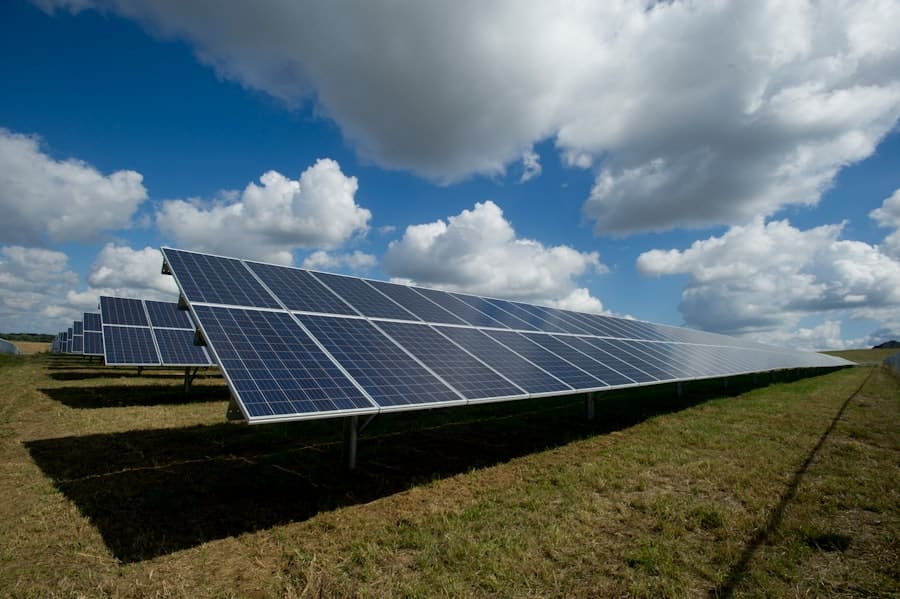
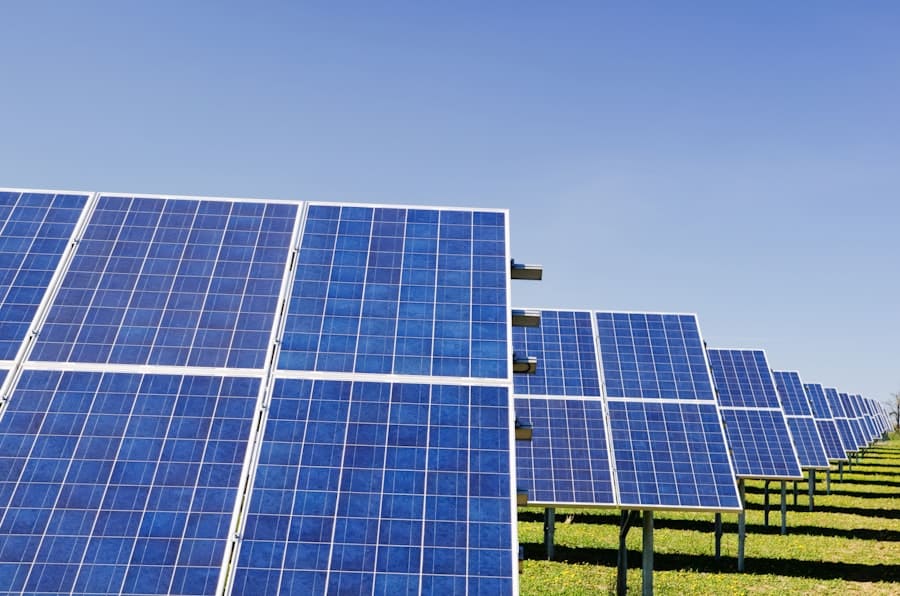
Renewable energy plays a pivotal role in eco-friendly hosting by significantly reducing the carbon footprint associated with data centers. When you choose a hosting provider that relies on solar, wind, or hydroelectric power, you are directly contributing to a cleaner energy future. These sources not only produce little to no greenhouse gas emissions but also help decrease reliance on fossil fuels, which are finite resources.
Moreover, many eco-friendly hosting companies invest in renewable energy credits (RECs) to offset their energy consumption further. This means that even if their data centers are not entirely powered by renewable sources at the moment, they are actively supporting renewable energy projects elsewhere. By selecting a provider that prioritizes renewable energy, you are not just making a choice for your website; you are participating in a larger movement toward sustainable energy practices.
The Importance of Energy-Efficient Data Centers
Optimizing Cooling Efficiency
For instance, many modern data centers utilize hot aisle/cold aisle containment strategies to improve cooling efficiency, which can significantly lower energy usage.
Making Informed Choices
Understanding the importance of energy-efficient data centers can help you make more informed choices about your web hosting provider. Look for companies that invest in state-of-the-art infrastructure designed to minimize waste and maximize efficiency.
Supporting a Sustainable Digital Ecosystem
By supporting these providers, you contribute to a more sustainable digital ecosystem while ensuring that your website operates smoothly and effectively.
Case Studies: Successful Implementation of Eco-Friendly Hosting
Several companies have successfully implemented eco-friendly hosting solutions, demonstrating the viability and benefits of sustainable practices in the tech industry. For example, DreamHost has committed to using 100% renewable energy for its operations since 2008 and has invested in various sustainability initiatives, including tree planting programs and carbon offset projects. Their commitment not only reduces their carbon footprint but also sets a standard for other companies in the industry.
Another notable example is A2 Hosting, which has made significant strides in energy efficiency by utilizing green technologies and practices in its data centers. They have implemented server virtualization and optimized cooling systems to reduce energy consumption while maintaining high performance levels. These case studies illustrate that eco-friendly hosting is not just a trend; it is a practical approach that can lead to both environmental benefits and improved business outcomes.
The Future of Green Digital Infrastructure
The future of digital infrastructure is increasingly leaning toward sustainability as awareness of climate change grows among consumers and businesses alike. As more companies recognize the importance of reducing their environmental impact, we can expect a surge in demand for eco-friendly hosting solutions. This shift will likely drive innovation in green technologies and practices within the industry.
Furthermore, regulatory pressures may also play a role in shaping the future landscape of web hosting. Governments around the world are beginning to implement stricter regulations regarding carbon emissions and energy consumption in various sectors, including IT. As these regulations evolve, companies will need to adapt by adopting more sustainable practices or risk falling behind their competitors.
Tips for Making Your Website More Eco-Friendly
In addition to choosing an eco-friendly hosting provider, there are several steps you can take to make your website more environmentally friendly. Start by optimizing your website’s design and content for speed; faster websites consume less energy during loading times. You can achieve this by compressing images, minimizing code, and utilizing caching techniques.
Another effective strategy is to reduce unnecessary resource usage by eliminating unused plugins or features on your site. Each additional element requires server resources, which can increase energy consumption. Additionally, consider implementing a content delivery network (CDN) to distribute your website’s content more efficiently across various locations, further reducing energy usage.
The Role of Consumers in Driving the Green Revolution in Digital Infrastructure
As a consumer, your choices play a significant role in driving the green revolution within digital infrastructure. By prioritizing eco-friendly products and services, you send a clear message to companies about the importance of sustainability. Your demand for greener options encourages businesses to adopt more responsible practices and invest in sustainable technologies.
Moreover, sharing your experiences with eco-friendly hosting solutions can inspire others to make similar choices. Whether through social media or word-of-mouth recommendations, your advocacy can help raise awareness about the importance of sustainability in the tech industry. By becoming an informed consumer and championing green practices, you contribute to a collective effort toward a more sustainable digital future.
The Business Case for Eco-Friendly Hosting
Investing in eco-friendly hosting is not just an ethical choice; it also makes sound business sense. As consumers increasingly prioritize sustainability in their purchasing decisions, companies that adopt green practices can differentiate themselves from competitors and attract a loyal customer base. By showcasing your commitment to environmental responsibility through your choice of hosting provider, you enhance your brand image and appeal to a growing demographic of eco-conscious consumers.
Additionally, many eco-friendly hosting providers offer competitive pricing structures that can lead to cost savings over time. Energy-efficient technologies often result in lower operational costs due to reduced energy consumption and maintenance needs. By choosing green hosting solutions, you not only contribute positively to the environment but also position your business for long-term success in an evolving marketplace.
In conclusion, as you navigate the digital landscape, consider the impact of your choices on the environment. By opting for eco-friendly web hosting solutions and implementing sustainable practices on your website, you can play an active role in promoting a greener future for digital infrastructure while reaping numerous benefits for your business.
FAQs
What is eco-friendly hosting?
Eco-friendly hosting, also known as green hosting, refers to web hosting services that utilize environmentally friendly practices to minimize their impact on the environment. This can include using renewable energy sources, implementing energy-efficient technologies, and reducing carbon emissions.
How does eco-friendly hosting benefit the environment?
Eco-friendly hosting helps to reduce the carbon footprint of digital infrastructure by using renewable energy sources such as wind, solar, or hydroelectric power. This reduces the reliance on fossil fuels and helps to mitigate the environmental impact of data centers and servers.
What are the advantages of using eco-friendly hosting?
Using eco-friendly hosting can help businesses and individuals reduce their environmental impact, improve their corporate social responsibility, and contribute to the global effort to combat climate change. Additionally, eco-friendly hosting can often lead to cost savings and improved energy efficiency.
How can I identify eco-friendly hosting providers?
Eco-friendly hosting providers often advertise their commitment to sustainability on their websites and marketing materials. Look for certifications such as Energy Star, LEED, or Green-e, as well as information about their use of renewable energy sources and energy-efficient technologies.
Are there any drawbacks to using eco-friendly hosting?
While eco-friendly hosting offers numerous benefits, some providers may have limited service offerings or higher costs compared to traditional hosting options. It’s important to carefully evaluate the features and pricing of eco-friendly hosting providers to ensure they meet your specific needs.