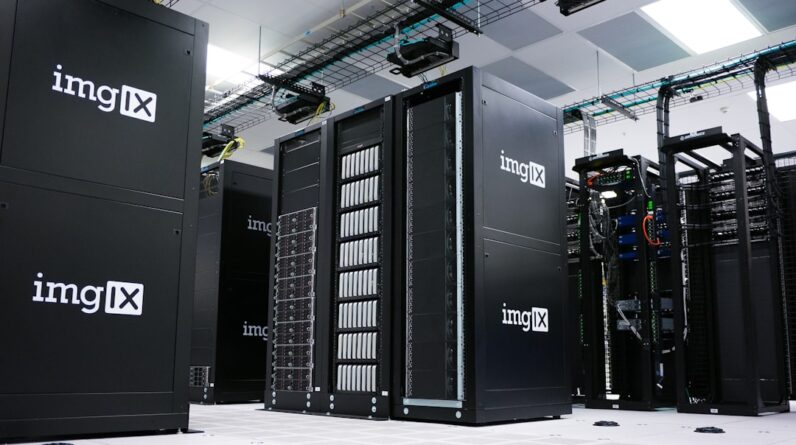
When you embark on the journey of establishing an online presence, one of the first decisions you face is selecting a hosting provider. This choice is pivotal, as it can significantly influence your website’s performance, reliability, and overall user experience. Hosting providers serve as the backbone of your online operations, offering the necessary infrastructure to store your website’s files and make them accessible to users around the globe.
With a myriad of options available, understanding the nuances of different hosting services can empower you to make an informed decision that aligns with your specific needs. As you navigate through the landscape of hosting providers, it’s essential to recognize that not all services are created equal. Each provider offers a unique blend of features, pricing structures, and levels of support.
Whether you are launching a personal blog, an e-commerce site, or a corporate platform, the right hosting provider can enhance your website’s performance and ensure a seamless experience for your visitors. In this article, we will delve into the various factors that influence the cost of maintaining a website and explore how to strike the right balance between affordability and quality.
Key Takeaways
- Hosting providers are essential for maintaining a website and come with various cost implications.
- Factors affecting the overall cost of maintaining a website include the type of hosting, server reliability, bandwidth and storage, security and backup services, customer support, scalability, and additional services.
- Different types of hosting providers, such as shared, VPS, dedicated, and cloud hosting, have different cost implications based on their features and resources.
- Server reliability directly impacts cost, as a more reliable server may have a higher upfront cost but can save money in the long run by reducing downtime and maintenance expenses.
- Bandwidth and storage costs can vary greatly among hosting providers, and it’s important to consider the specific needs of the website to avoid overpaying for unnecessary resources.
Factors Affecting the Overall Cost of Maintaining a Website
The cost of maintaining a website is influenced by several factors that extend beyond just the initial hosting fees. One of the primary considerations is the type of website you are running. For instance, a simple blog may require less bandwidth and storage compared to a complex e-commerce site with numerous product listings and high traffic volumes.
Understanding your website’s specific requirements is crucial in estimating ongoing costs accurately. Another significant factor is the level of service you choose from your hosting provider. Shared hosting plans are typically more affordable but may come with limitations in terms of performance and support.
On the other hand, dedicated servers or managed hosting solutions offer enhanced performance and security but at a higher price point. As you evaluate your options, consider not only your current needs but also potential future growth, as this can impact your long-term expenses.
Different Types of Hosting Providers and Their Cost Implications

When exploring hosting providers, you will encounter various types of services, each with its own cost implications. Shared hosting is often the most economical option, where multiple websites share a single server’s resources. This can be an excellent choice for beginners or small websites with limited traffic.
However, as your site grows, you may find that shared hosting can lead to slower load times and reduced reliability. VPS (Virtual Private Server) hosting offers a middle ground between shared and dedicated hosting. With VPS, you still share a server but have dedicated resources allocated to your site, which can improve performance significantly.
While VPS hosting comes at a higher cost than shared options, it provides greater flexibility and control over your environment. For larger businesses or those with specific needs, dedicated hosting offers the highest level of performance and security but comes with a premium price tag. Understanding these distinctions will help you choose a hosting provider that fits both your budget and your website’s requirements.
Impact of Server Reliability on Cost
Server reliability is another critical factor that can affect your overall website maintenance costs. A reliable server ensures that your website remains accessible to users at all times, minimizing downtime and potential revenue loss. When evaluating hosting providers, consider their uptime guarantees and track record for reliability.
Providers that invest in high-quality infrastructure and redundancy measures may charge more for their services, but this investment can pay off in terms of consistent performance. Moreover, the cost implications of server reliability extend beyond just the hosting fees. Downtime can lead to lost sales opportunities, decreased user trust, and damage to your brand’s reputation.
Therefore, opting for a provider known for its reliability may save you money in the long run by preventing these costly issues. As you weigh your options, remember that investing in a dependable hosting service is an essential aspect of maintaining a successful online presence.
Bandwidth and Storage Costs
Bandwidth and storage are two fundamental components that directly impact your website’s performance and associated costs. Bandwidth refers to the amount of data transferred between your website and its users, while storage pertains to the space required to host your website’s files. Depending on your website’s nature—whether it’s content-heavy with images and videos or primarily text-based—your bandwidth and storage needs will vary significantly.
Many hosting providers offer tiered plans based on bandwidth and storage limits. If you anticipate high traffic or plan to host large files, opting for a plan with higher bandwidth and storage allowances may be necessary. However, keep in mind that exceeding these limits can result in additional charges or throttled performance.
As you assess your options, consider not only your current needs but also potential growth in traffic and content over time to avoid unexpected costs down the line.
Security and Backup Services

In today’s digital landscape, security is paramount for any website owner. Cyber threats are ever-evolving, making it essential to invest in robust security measures to protect your site and its data. Many hosting providers offer built-in security features such as SSL certificates, firewalls, and malware scanning as part of their packages.
While these features may increase your initial costs, they are crucial for safeguarding your website against potential attacks. Backup services are another essential aspect of website maintenance that can impact costs. Regular backups ensure that you can restore your site quickly in case of data loss or corruption.
Some hosting providers include automated backup solutions in their plans, while others may charge extra for this service. As you evaluate different providers, consider how their security and backup offerings align with your budget and risk tolerance.
Customer Support and Maintenance Costs
The level of customer support provided by your hosting provider can significantly affect both your experience and costs associated with maintaining your website. Reliable customer support is invaluable when technical issues arise or when you need assistance with configuration or troubleshooting. Some providers offer 24/7 support through various channels such as live chat, phone, or email, while others may have limited availability.
While opting for a provider with excellent customer support may come at a higher price point, it can save you time and frustration in the long run. Additionally, consider whether the provider offers managed services that include regular maintenance tasks such as software updates and performance monitoring. These services can alleviate some of the burdens associated with managing your website but may also contribute to higher overall costs.
Scalability and Upgrading Costs
As your website grows, so too will its demands on resources such as bandwidth, storage, and processing power. Scalability is an essential consideration when choosing a hosting provider; you want to ensure that you can easily upgrade your plan as needed without incurring excessive costs or downtime. Some providers offer seamless scaling options that allow you to adjust resources on-the-fly based on traffic fluctuations.
However, not all hosting providers are created equal in this regard. Some may require you to migrate to a different server or plan entirely when upgrading, which can lead to additional costs and potential disruptions to your service. When evaluating potential providers, inquire about their scalability options and any associated costs to ensure that you can grow your online presence without facing significant financial hurdles.
Additional Services and Add-ons
In addition to core hosting services, many providers offer a range of additional services and add-ons that can enhance your website’s functionality but also contribute to overall costs. These may include features such as content delivery networks (CDNs), premium themes or plugins, email hosting solutions, and marketing tools. While these extras can provide significant value, it’s essential to assess whether they align with your specific needs before committing to additional expenses.
When considering add-ons, take the time to evaluate their potential return on investment (ROI). For instance, investing in a CDN can improve load times for users across different geographical locations, potentially leading to higher engagement rates and conversions. However, if you’re just starting out or operating on a tight budget, it may be wise to prioritize essential services before exploring additional features.
Hidden Costs and Fine Print
As you navigate the world of web hosting providers, it’s crucial to be aware of potential hidden costs that may not be immediately apparent in promotional materials or pricing tables. Many providers advertise low introductory rates that increase significantly upon renewal after the first term ends. Additionally, some may charge extra fees for essential features such as domain registration or SSL certificates that are often included with other providers.
Before committing to a hosting plan, take the time to read through the fine print carefully. Look for details regarding renewal rates, cancellation policies, and any additional fees associated with exceeding resource limits or accessing customer support. By being proactive in understanding these aspects upfront, you can avoid unpleasant surprises down the line that could impact your budget.
Finding the Right Balance between Cost and Quality
In conclusion, selecting the right hosting provider involves careful consideration of various factors that influence both cost and quality. From understanding the different types of hosting services available to evaluating server reliability, bandwidth needs, security measures, customer support options, scalability potential, additional services, and hidden costs—each element plays a vital role in shaping your overall experience. Ultimately, finding the right balance between cost and quality requires thoughtful analysis of your specific needs as well as an understanding of how each factor contributes to the long-term success of your online presence.
By taking the time to research and compare different providers thoroughly, you can make an informed decision that not only fits within your budget but also supports your goals for growth and sustainability in the digital landscape.
FAQs
What factors should be considered when choosing a hosting provider?
Factors to consider when choosing a hosting provider include the type of website you have, the amount of traffic you expect, the level of technical support you require, and your budget.
How does the choice of a hosting provider affect the overall cost of maintaining a website?
The choice of a hosting provider can affect the overall cost of maintaining a website through factors such as the monthly or annual hosting fees, additional costs for features and services, and potential costs for website downtime or security breaches.
What are some cost-saving tips when choosing a hosting provider?
Some cost-saving tips when choosing a hosting provider include comparing prices and features of different providers, considering long-term contracts for potential discounts, and avoiding unnecessary add-ons or features that may not be essential for your website.
What are the potential risks of choosing a low-cost hosting provider?
Potential risks of choosing a low-cost hosting provider include slower website performance, limited technical support, security vulnerabilities, and potential downtime due to server issues.
How can the choice of a hosting provider impact website performance and user experience?
The choice of a hosting provider can impact website performance and user experience through factors such as server speed, uptime reliability, and the ability to handle high levels of traffic. A reliable hosting provider can contribute to a positive user experience and better website performance.